
THE ARC OF SPIRITUALITY IS BENDING TOWARD INCLUSIVITY. Some 3,200 years ago, Ramesses II, pharaoh of the New Kingdom in ancient Egypt, presented himself to his people and the world as the son of the high god Ra, and as a god himself. In the highest of ancient civilizations, spirituality was a strictly royal phenomenon. 1,200 years later, a radical change began.
According to the pattern established by Ramesses II, the king in the ancient Mediterranean world was god or a son of god, or both. Alexander the Great was the son of Zeus. Caesar Augustus, the first emperor of Rome, was “son of the divine” and “divine son,” a “savior” bringing “peace on earth,” who, like his adoptive father Julius Caesar, became a god after death. Some Roman emperors later saw themselves, during their lives, as gods incarnate.
The message these images of divine kings sent to the people is simple: the king can unite with the divine, but ordinary folk cannot. In other words, mystical or spiritual union was reserved only for the person at the top of the elite hierarchy. The king was god — and this justified his exercise of redemptive violence to achieve and maintain order in the world.
A radically subversive “counter-pattern” came into clear view with “the good news of Jesus Christ, the Son of God” (Mk. 1:1). Among other things, the good news about the reign (or kingdom) of God said that God is king, not Caesar. In God’s realm, even a peasant child with questionable parentage from a conquered people, could be recognized as the Anointed One (Christos), of God (Theou), Son (Huios), and Savior (Soter). For more on this point, see my post on the abundant life.
Again, the message to the people from this radical counter-image is simple: God is the true king, not Caesar. Moreover, as first Paul in his letters and then John in his gospel suggest, spiritual union with the divine is given to all, not just to the elite. Redemptive knowledge, especially experiential knowledge (that is, wisdom or gnosis), is now the key to salvation. God’s reign was being (re-)established “among and within” the people (Lk. 17:21, the Greek preposition used here can mean either).
Think about all the ways the reign of God has been unfolding since the time of Christ. For example, consider this handful of “highlights,” as seen from the Christian perspective:
• Paul showed us we are justified by faith through God’s grace. Ultimately, justification means recognizing our union with God. Thus, faith means trusting that the gift of union is real, while we hope one day to reach its full realization, and in the meantime love God and “neighbors” through service.
• John, the evangelist, proclaimed the good news of “eternal life,” of the “hour that is coming and is now here,” assuring us that Jesus and the Father are one, and also that we, in turn, are one with Jesus — and so, also one with the Father.
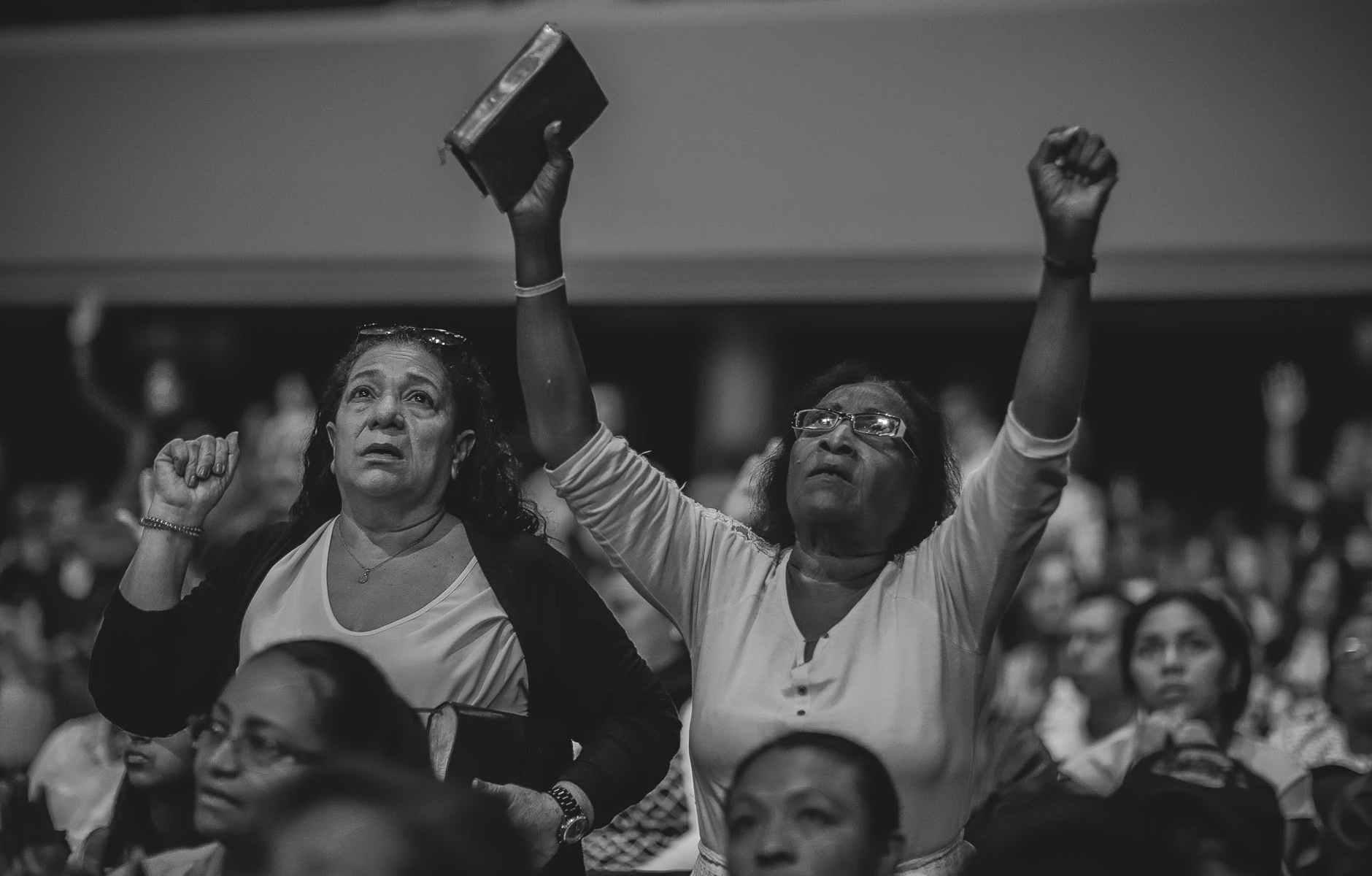
• The Protestant movement insisted upon a “priesthood of all believers,” and with the translation of the Bible into local vernaculars, allowed us to read and interpret scripture for ourselves. Democratization of the Spirit continued with the emergence of evangelical awakenings (starting in the 17th century), and of widespread Pentecostal experience (starting at the dawn of the 20th century).
• When the East came to the West, starting in the 19th century and then especially in the 1960s, spiritual practice and mysticism began to come out of the shadows, so to speak. “Jesus freaks” became a thing. Believers and skeptics alike rediscovered spirituality, not only “forgotten” Western traditions, but also “novel” practices from the East.
• Over the past 50 years or so, it has become standard practice for liturgical churches to worship each week by celebrating the Eucharist, also known as the Great Thanksgiving or Holy Communion. In other words, multitudes of Christians ritually enact mystical union on a regular basis. Spirituality that once was rare and reserved has become frequent and open to all. Communion, a ritual “divinization,” is now common, but hopefully not commonplace.
The arc of spirituality is bending toward inclusivity. The “reign of God” is among and within us. Some say the age of the Holy Spirit has dawned. Indeed, “the hour” is coming, and is here now. So, get to know your true self — and be here, now.
 Soul Spirit Wisdom